Hunza Valley Motorcycle Guide: Best Routes, Riding Seasons, Road Conditions & Travel Planning
How to plan a motorcycle trip to Hunza: the routes in and around the valley, when the passes open, what the Karakoram Highway is really like, altitude at Khunjerab, and the documents to sort before you book.
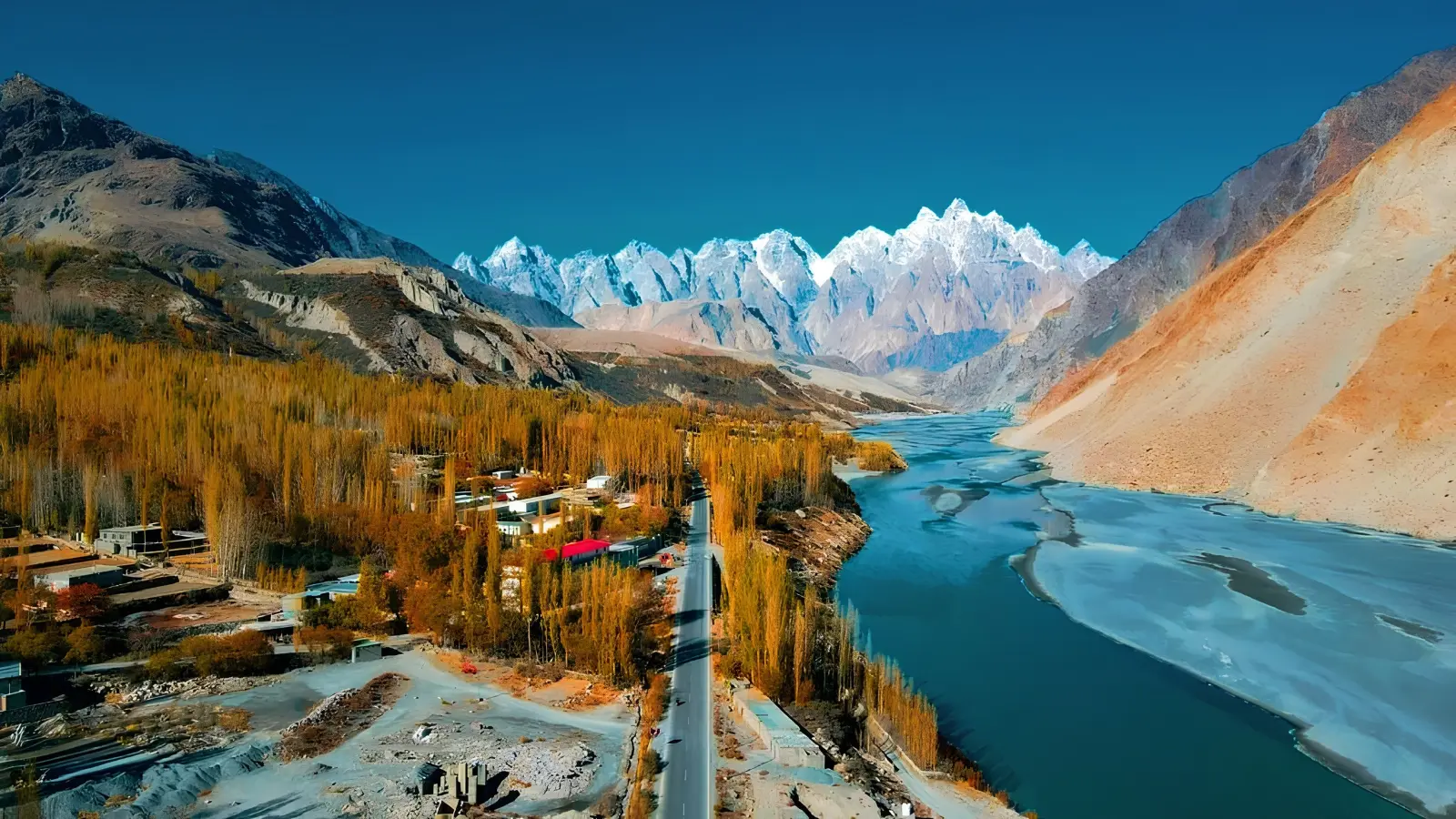
Why Hunza Appeals to Motorcycle Travellers
How to Get to Hunza
Flying to Gilgit or Skardu
The quickest option is a domestic flight from Islamabad to Gilgit or Skardu, then riding from there. Mountain flights depend on the weather and can be cancelled or rescheduled at short notice, so build a spare day into any plan that relies on them.
The Karakoram Highway via Besham and Dasu
The traditional road route follows the Karakoram Highway north from the Islamabad area through the Indus gorge, via Besham, Dasu and Chilas. It is the most direct road, but it is long, slow in places and prone to landslides and construction diversions. Official advice for some nationalities currently covers parts of this section, so include it in your pre-trip checks before you choose this route.
The N-15 via Naran and Babusar Pass
In summer, the N-15 through the Kaghan Valley crosses Babusar Pass (about 4,173 m) and joins the Karakoram Highway at Chilas. It is a spectacular ride, but it is seasonal: Babusar is usually snowbound from around November until June, and the reopening date changes every year. Treat it as a summer-only option and confirm it is open before committing.
The Main Motorcycle Routes in Hunza
Gilgit to central Hunza (Aliabad and Karimabad)
This stretch of the Karakoram Highway follows the Hunza River upstream from Gilgit, with the Rakaposhi viewpoint near Ghulmet a natural stop. Central Hunza, around Aliabad and Karimabad, sits at roughly 2,400-2,500 m. It has the widest choice of places to stay and is the usual base for visiting Baltit and Altit forts.
Attabad Lake and the tunnels to Gulmit and Passu
In January 2010 a huge landslide at Attabad dammed the Hunza River, creating a lake that drowned a long section of the highway. For several years the only way through was by boat. Since 2015, a realigned stretch with five tunnels, about 7 km in total, has carried traffic around the lake. Beyond it lie Gulmit and Passu, the heart of Upper Hunza and a good place to sleep before Khunjerab.
Sost to Khunjerab Pass
Sost is the last sizeable settlement before the border. From there the highway climbs about 86 km to Khunjerab Pass, crossing Khunjerab National Park, where foreign visitors pay an entry fee. Most riders treat this as a day ride: up to the pass and back down to sleep at a lower altitude. The weather at the top can be very different from the valley floor, even in summer.
Side valleys for experienced riders
The Shimshal road leaves the highway near Passu. It is a narrow, unpaved single-lane shelf cut into a river gorge, with long drops to the water, and it is vulnerable to rockfall and flood damage. It is rewarding for skilled riders on a suitable bike and a poor idea for anyone uneasy on gravel. Other side roads, including those into Nagar's valleys and towards the borders, have their own conditions and restrictions, so check locally before riding them.
Scenery and Stops Worth Planning Around
Photo timing
Early morning and late afternoon light is kindest to these valleys. Plan your daily distance so you are not riding into the dark to chase it.
Riding the Karakoram Highway Through Hunza
What to expect on the road
Rockfall and landslides: landslides have affected every section of the highway north of Battagram, right up to the Chinese border. Loose stones on blind bends are normal, not exceptional. Flood and glacier damage: meltwater streams and glacial floods can cut the road within hours, especially in high summer. In August 2026, glacial melt damaged sections of the highway near Gulmit. Shared road space: trucks, buses, jeeps, livestock and pedestrians all use the highway. Expect slow vehicles on climbs and oncoming traffic cutting corners. Tunnels: the Attabad tunnels are long. Your eyes need a moment to adjust on entry, and the surface inside can be damp. Checkpoints: foreign riders are regularly stopped and asked for details. Keep your passport and visa copies easy to reach.
Our recommendations
Do not ride after dark. Narrow sections, steep drops and unlit vehicles make night riding on the highway a poor idea. Plan short days. A distance that looks modest on a map can take far longer once you add photo stops, checkpoints and a landslide queue. Keep a spare day. If the road closes, a buffer day turns a crisis into an inconvenience. Ask locally each morning. Hotel staff, drivers and police usually know about overnight blockages before any website does.
Riding Seasons and Weather in Hunza
Quick reference
| Period | What to expect | Pass access (typical) |
|---|---|---|
| April-May (spring) | Cool to cold, especially early; clear days likely but snow possible at altitude. Blossom season in the valley. | Khunjerab traditionally opens to travel in April. Babusar is usually still closed. |
| June | Warmer valley days, still cold at the pass. A popular month. | Babusar usually reopens around June; the date varies each year. |
| July-August (monsoon) | Hottest valley temperatures. Highest risk of flash floods, glacial outbursts and landslides. | Passes open, but road closures are most frequent. |
| September-October (autumn) | Settled, clearer weather is common; golden poplars in autumn. Cold mornings and nights. | Babusar can close from around October or November with early snow. |
| November-March (winter) | Very cold; snow and ice at altitude. Not a sensible riding window. | Babusar closed. Khunjerab historically closed December to March. |
Choosing a Motorcycle for Hunza
Quick reference
| Riding plan | What to prioritise |
|---|---|
| Mostly paved Karakoram Highway | A 150cc dual-sport is adequate for many riders; a mid-capacity adventure bike adds comfort and overtaking margin. |
| Gravel side valleys such as Shimshal | Light weight, good ground clearance and tyres suited to loose surfaces. |
| Two-up or heavily loaded | A larger bike, or a support vehicle for luggage. |
Fuel, Accommodation and Route Planning
Fuel
Fuel is sold in the main towns along the highway, but stations thin out the further north you go, and quality can vary. Refuel whenever you pass a reliable station, and always fill up before the climb from Sost to Khunjerab and back. Small-tank bikes should carry a little reserve for side valleys. Availability and prices can change, so confirm current conditions close to your trip.
Accommodation
Central Hunza (Aliabad and Karimabad) has the widest range of hotels and guesthouses. Upper Hunza villages such as Gulmit and Passu have smaller guesthouses with a quieter feel, and they make a sensible overnight stop before Khunjerab. In peak domestic holiday periods rooms can fill quickly, so book ahead. Ask about secure parking for motorcycles and whether hot water and power are reliable. Electricity cuts happen in the mountains, so carry a power bank.
Pacing a Hunza trip
There is no single correct itinerary, but a good plan usually includes at least two nights in central Hunza to see the forts and recover from the ride in, a night in Upper Hunza before Khunjerab so you start the climb early and fresh, Khunjerab as a day ride with a lower overnight afterwards, and one or two buffer days for weather, landslides or flight delays.
Altitude and Riding Safety
Health check
If you have heart or lung conditions, or any history of altitude illness, talk to a doctor familiar with high-altitude travel before you book. This guide is not medical advice.
Travel Documents and Requirements
Visa
Most foreign visitors need a visa arranged before travel. Applications are made online through the official Pakistan Online Visa System (https://visa.nadra.gov.pk), which Pakistan's Ministry of Foreign Affairs describes as the only channel for submitting applications. Fees, required documents and processing times depend on your nationality, so do not book non-refundable travel until your visa is granted.
Registration and restricted areas
Foreign nationals must register with the local authorities when visiting Gilgit-Baltistan. The general No Objection Certificate (NOC) requirement for Gilgit-Baltistan was scrapped in 2019, but foreigners are still not allowed within set distances of Pakistan's international borders, including 10 miles of the China border except at official crossings. Rules like these have been tightened and relaxed before, so confirm the current position before you go.
Driving licence
Carry your full national motorcycle licence. An International Driving Permit is strongly recommended, and most of our 2027 tour pages list it as a rider requirement, so check the page for your departure.
Bringing your own motorcycle
Temporary import is possible but complex. Pakistan's customs rules allow tourists to import a vehicle temporarily for up to three months against a Carnet de Passages or a bank guarantee. Overland entry options can change quickly, so check the current status of land borders before planning a ride in.
Travel-planning note
Conditions and official guidance for northern Pakistan change from time to time. Before you book, check your own government's current travel advice for your full route, Pakistan's entry requirements, and that your travel insurance covers motorcycling at altitude in the areas you plan to ride. Our tours require medical and emergency evacuation insurance.
Practical Tips for Foreign Riders
Ride Hunza Independently or With a Guided Tour
Frequently Asked Questions
What is the best month to ride a motorcycle in Hunza?
For most riders, May-June and September-October offer the best balance of open passes and more settled weather. July and August are open but carry the highest risk of floods and landslides. Pass opening dates change every year, so check close to your trip.
Is the Karakoram Highway paved through Hunza?
The main highway through central and Upper Hunza is generally paved, but rockfall, landslides and flood damage can leave rough or blocked sections at any time. Side valleys such as Shimshal are unpaved.
Can foreigners ride to Khunjerab Pass?
Foreign riders commonly ride from Sost up to Khunjerab Pass and back during the season, paying a national park entry fee on the way. You must carry your passport and follow checkpoint instructions.
Do I need a permit or NOC to visit Hunza?
The general NOC requirement for Gilgit-Baltistan was abolished in 2019, but foreign nationals must register with the local authorities there, and areas close to international borders remain restricted. Confirm the current rules before you travel.
Is a 150cc motorcycle enough for Hunza?
For the paved Karakoram Highway, many riders find a 150cc dual-sport adequate, and its light weight helps on broken surfaces. It will feel slow at high altitude and when loaded. A mid-capacity bike adds comfort and margin.
How high is Khunjerab Pass, and will I get altitude sickness?
Khunjerab is about 4,693 m. Anyone can be affected by altitude. Spending several nights at Hunza's altitude first, riding up as a day trip and sleeping lower afterwards all reduce the risk.
What should I check before booking a motorcycle trip to Hunza?
Check your visa timeline, your own government's current travel advice for your route, and that your insurance covers motorcycling at altitude. Then match your dates to the season: landslides and floods are the most common disruption in Hunza, so build buffer days into any plan.
Can I rent a motorcycle in Hunza?
Some local operators in Gilgit-Baltistan rent motorcycles to foreigners, mainly small-capacity bikes. Check the bike's condition, paperwork and insurance carefully. A guided tour includes the motorcycle and mechanical support.
Thinking about riding Hunza in 2027?
Tell us when you can travel, your riding experience and the bike you prefer, and we will tell you honestly which departure fits, or whether a private tour would suit you better.
- 1. Why Hunza Appeals to Motorcycle Travellers
- 2. How to Get to Hunza
- 3. The Main Motorcycle Routes in Hunza
- 4. Scenery and Stops Worth Planning Around
- 5. Riding the Karakoram Highway Through Hunza
- 6. Riding Seasons and Weather in Hunza
- 7. Choosing a Motorcycle for Hunza
- 8. Fuel, Accommodation and Route Planning
- 9. Altitude and Riding Safety
- 10. Travel Documents and Requirements
- 11. Practical Tips for Foreign Riders
- 12. Ride Hunza Independently or With a Guided Tour
The Scenic Mistake Editorial Team
Expedition Editorial Desk
Practical riding and route insights compiled by The Scenic Mistake team in Northern Pakistan.